Impactul durabil al analizelor NESC

BY: stiridinromania.ro In Magazin
Most Impactful NESC Assessments  - NASA

Directorul Tim Wilson al Centrului de Siguranță și Eficiență a Navei Spațiale (NESC) a selectat cele mai importante trei evaluări din cele peste 1.200 realizate de NESC în ultimii 20 de ani. Acestea au fost alese pentru că ar putea avea cel mai mare și mai durabil impact asupra vieții umane și asupra îndeplinirii misiunii NESC. El a împărtășit de ce efectele acestora au fost atât de extinse.

În perioada 2013-2019, NESC a efectuat o evaluare a Riscurilor Designurilor de Îmbinări Fragile la solicitarea Programului de Echipaj Comercial. Prin intermediul unui program de testare empirică a îmbinărilor fragile, s-a dorit să se asigure încredere în utilizarea acestora pentru zborurile spațiale cu echipaj uman. Aceste îmbinări asigură o separare fără deșeuri a etapelor vehiculului de lansare și a carenelor de încărcătură. Rezultatele acestei evaluări au fost esențiale pentru programele ulterioare precum Space Launch System, Orion și Launch Services Programs.

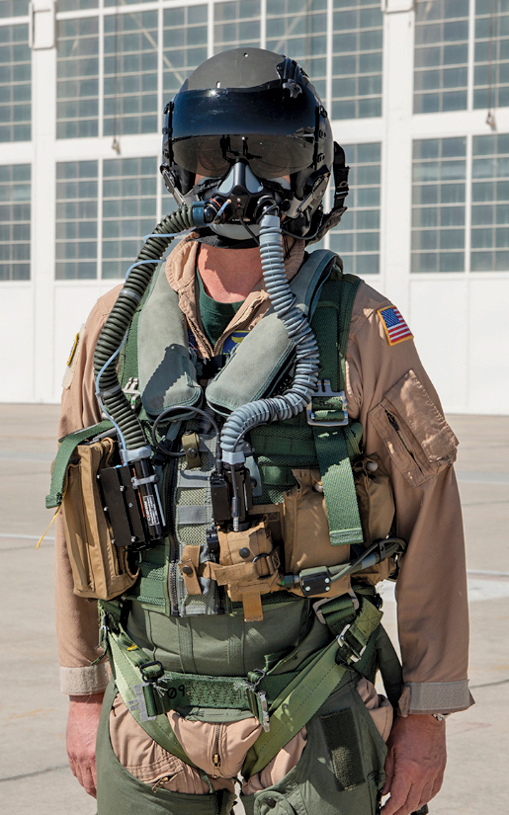
În perioada 2018-2021, NESC a realizat o Evaluare a Respirației Pilotului. Cu ajutorul acestei evaluări, echipa NESC a reușit să identifice problemele legate de presiunea respirației și fluxul de aer care afectau piloții din flota F/A-18 a Marinei SUA. Prin intermediul unor date obținute din peste 100 de zboruri și 250 de milioane de puncte de date, echipa a descoperit că presiunea respirației și fluxul de aer erau adesea nesincronizate, crescând eforturile piloților pentru a menține o ventilație suficientă.

În perioada 2020-2023, NESC s-a concentrat pe înțelegerea comportamentului complex al vaselor de presiune înfășurate cu compozite (COPV), utilizate extensiv în zborul spațial. Echipa NESC a constatat că analizele de toleranță la deteriorare efectuate pe linerul COPV folosind mecanica fracției elastice liniare (LEFM) prezentau o lipsă de conservatorism, în special în înțelegerea influenței autofretajului (AF). Echipa a furnizat corecturi pentru programele NASGRO care analizează fractura și creșterea fisurii de oboseală pentru a face predicțiile mai puțin neconservatoare. Aceste îmbunătățiri sunt esențiale pentru menținerea siguranței în zborurile spațiale viitoare și vor avea un impact semnificativ în domeniul aeronauticii și integrării sistemelor umane în aeronavele moderne.

After reflecting on the more than 1,200 assessments completed by the NESC over the last 20 years, Director Tim Wilson selected these assessments as his top three. They were selected because they would likely have the greatest and most lasting impact on human life and the furtherance of the NESC mission. He shared why their effects were so far-reaching.

2013-2019 
Assessing Risks of Frangible Joint Designs 

At the request of the Commercial Crew Program, the NESC took on an empirical test program of frangible joints to provide confidence in their use for human spaceflight. “Many programs use these joints, so understanding the margins and what drives their designs has helped us keep flight crews safe and make missions successful,” said Mr. Wilson. 

The joints provide a debris-free separation of launch vehicle stages and payload fairings. To determine the effects various design parameters and environmental factors have on jointseparation capability, the NESC conducted more than 140 tests on a variety of designs and generated more than 100 million lines of data that were used to anchor models, develop design sensitivities, and make reliability estimates. Their comprehensive work was foundational to later assessments for the Space Launch System, Orion, and Launch Services Programs. The NESC also started the FJ Working Group, which serves as the Agency’s technical community of practice. It ensures programs understand the risks associated with their use and is proactive in ensuring NASA is implementing safe and reliable FJ technologies.


2018-2021
Pilot Breathing Assessment

When the U.S. Navy was experiencing an increase in pilot physiological episodes across their F/A-18 fleet that was leading to mission aborts, “No one really understood what was going on or why,” said Mr. Wilson. “It was a difficult problem, and our NESC team was able to come up with compelling answers.”

Over the NESC’s three-year study, its Pilot Breathing Assessment (PBA) team designed novel instrumentation to measure pilot physiological states and interactions with aircraft life support systems. NASA test pilots flew instrumented NASA F/A-18 and F-15 aircraft through pre-specified flight profiles while wearing specialized breathing equipment augmented with an advanced sensor system. Aligned data streams identified pilot/aircraft interactions with the potential for negative cognitive and physiological impact. After more than 100 scripted flights and 250 million data points, the PBA team determined that breathing pressures and airflows were often mismatched, increasing a pilot’s efforts to maintain sufficient ventilation. The PBA team’s work has benefited the field of aviation and the advancement of human system integration in modern aircraft and has direct application for NASA vehicles such as the T-38, F-15, X-59, and the ISS.

2020-2023
Unconservatism of LEFM Analysis Post Autofrettage

The NESC has invested significant time and resources to understanding the complex behavior of composite overwrapped pressure vessels (COPV), which are used extensively in space-flight. Most recently, an NESC team found there was a lack of conservatism in the damage tolerance analyses conducted on COPV liners using linear-elastic fracture mechanics (LEFM), particularly in understanding the influence of autofrettage (AF).

During AF, a COPV is subjected to high pressures to compress the inner surfaces, making them less susceptible to operational stresses later. In verifying damage tolerance life, the team found that separating the AF cycle from subsequent elastic cycles in LEFM analysis led to unconservative life predictions. Cracks remained open during compressive cycles after AF and allowed for a larger stress range to contribute to crack growth in each subsequent elastic cycle. The team provided corrections to NASGRO (programs that analyze fracture and fatigue crack growth) to make predictions less unconservative. “I’m convinced that someday crew will fly, come home, disembark, and never know that it was the improvements to those analytical tools made by this NESC team that kept them safe. I think it’s going to have wide-ranging impact.”


Acest titlu a fost scris de inteligență artificială Chat GPT, unele date pot fi incorecte. Pentru stirea originala, verificati sursa: Link catre sursa

Sursa si foto: NASA

 În plus, ar putea să-ți placă
Loading RSS Feed

Recomandari STIRIdinROMANIA.ro

Personalități medicale europene distinse cu titlul de Doctor Honoris Causa la UMF Timișoara, în mai 2026

Universitatea de Medicină și Farmacie "Victor Babeș" din Timișoara și-a consolidat prestigiul în lumea personalităților mondiale din domeniul medicinei...

Read More...

Rățuștele revin pe Bega într-un eveniment caritabil dedicat bebelușilor internați

Timișorenii sunt invitați să descopere un oraș plin de culoare, joc și imaginație, printr-un program special gândit pentru...

Read More...

Arome de vara in pietele timisorene

Piețele din Timișoara sunt, în această perioadă, pline de fructe și legume de sezon, iar tarabele colorate îi...

Read More...

Leave a reply:

Your email address will not be published.

CAPTCHA ImageChange Image

Acest site folosește Akismet pentru a reduce spamul. Află cum sunt procesate datele comentariilor tale.

Mobile Sliding Menu

stiri & ziare online