Experiența Polaris Dawn: Cercetări pentru viitorul zborului spațial uman

BY: stiridinromania.ro In Magazin
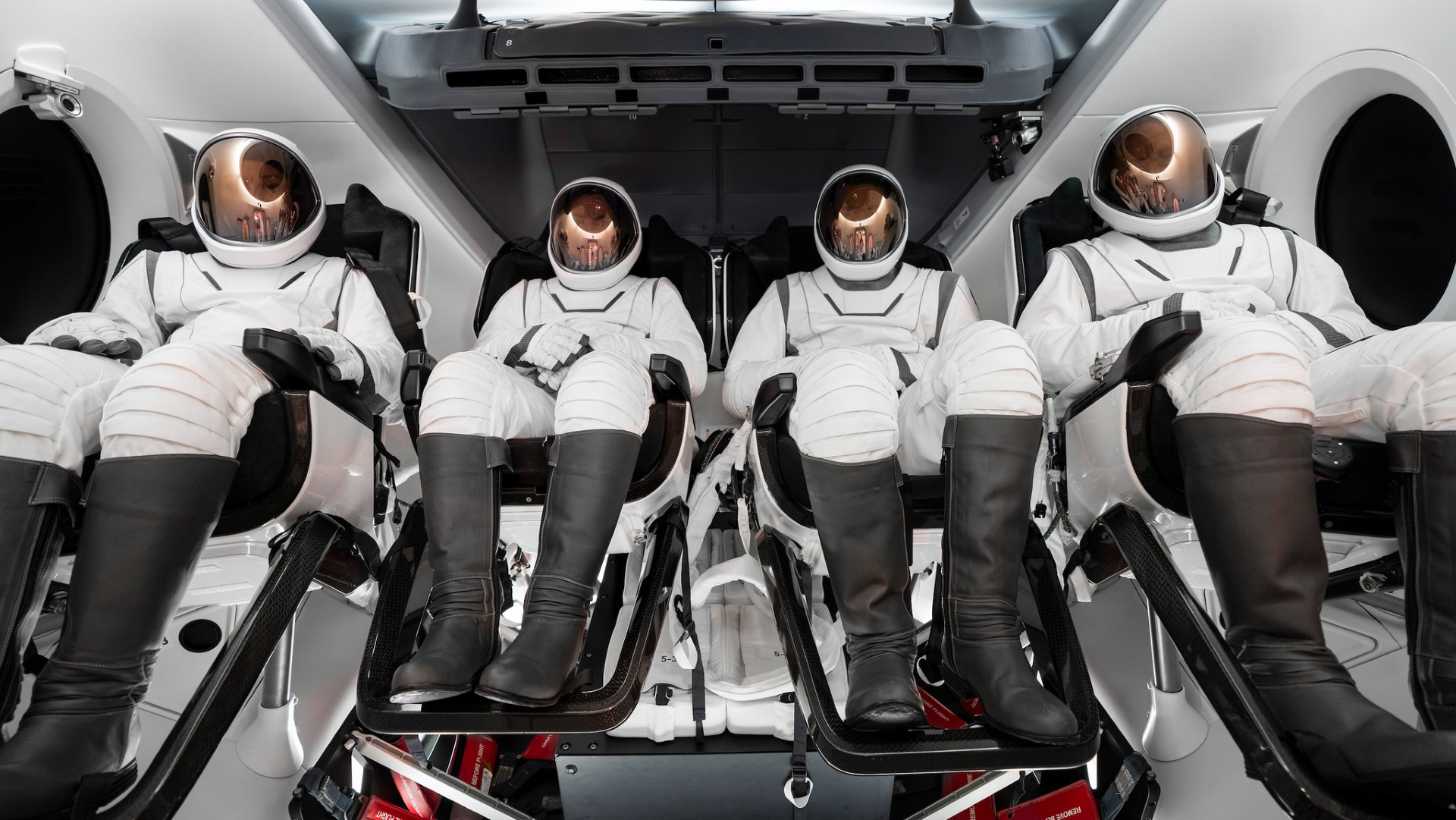
The four-person crew of the Polaris Dawn mission pictured wearing their SpaceX extravehicular activity suits

NASA a lansat o nouă misiune de zbor spațial uman comercial, care va aduce beneficii cercetătorilor agenției, consolidând știința viitoare a agenției pe măsură ce ne îndreptăm către Lună, Marte și dincolo de acestea. Misiunea Polaris Dawn a fost lansată la bordul unei capsule SpaceX Dragon și a rachetei Falcon 9.

Echipajul format din patru persoane, Jared Isaacman, Scott “Kidd” Poteet, Sarah Gillis și Anna Menon, va desfășura experimente științifice în cadrul misiunii, incluzând cercetări esențiale de sănătate și performanță umană pentru Programul de Cercetare Umană al NASA. Aceste cercetări vor ajuta oamenii de știință de la NASA să înțeleagă mai bine modul în care expunerea la condițiile spațiale afectează corpul uman.

Unul dintre proiectele de cercetare va viza înțelegerea și prevenirea simptomelor de rău de mișcare pe care mulți astronauți le experimentează în spațiu. De asemenea, un proiect de cercetare separat, sponsorizat de NASA, va investiga dacă membrii echipajului au experimentat vreo vătămare sau disconfort în timpul revenirii pe Pământ.

Echipajul va testa un dispozitiv comercial care poate colecta și integra măsurători de sănătate, inclusiv tensiunea arterială, ritmul cardiac, ritmul respirator și temperatura. De asemenea, tehnologia oferă imagini cu ultrasunete și capabilități de cameră video concentrate pe laringe și gât, inclusiv o caracteristică experimentală de telemedicină care ar putea ajuta la diagnosticarea membrilor echipajului în timp real.

Un alt aspect important al misiunii îl reprezintă testarea capacitații de telemedicină a tehnologiei, care se bazează pe sistemul de comunicații Starlink de la SpaceX pentru a se conecta cu medici și specialiști de pe Pământ.

Aceste cercetări vor oferi informații vitale pentru planificarea călătoriilor spațiale mai profunde către Lună și Marte. Echipajul va juca un rol crucial în acumularea de date care ar putea duce la descoperiri care să asigure succesul misiunilor viitoare.

NASA researchers will soon benefit from a suite of experiments flying aboard a new fully-commercial human spaceflight mission, strengthening future agency science as we venture to the Moon, Mars and beyond.

The experiments are flying as part of the Polaris Dawn mission which launched aboard a SpaceX Dragon spacecraft and Falcon 9 rocket earlier today.

The four-person Polaris Dawn crew of Jared Isaacman, Scott “Kidd” Poteet, Sarah Gillis, and Anna Menon will conduct science during the mission including essential health and human performance research for NASA’s Human Research Program. The research will help NASA scientists better understand how exposure to space conditions affects the human body. The crew will test new medical approaches and technology on telemedicine capabilities, gather data on space motion sickness, and better characterize flight-associated injury risks.

“Each mission, whether the crew is comprised of commercial or NASA astronauts, provides a key opportunity to expand our knowledge about how spaceflight affects human health,” said Jancy McPhee, associate chief scientist for human research at NASA. “Information gathered from Polaris Dawn will give us critical insights to help NASA plan for deeper space travel to the Moon and Mars.”

The crew will test drive, a commercial device that can collect and integrate measurements of health, including blood pressure, heart rate, respiration rate, and temperature. The technology also provides ultrasound imaging and larynx and throat-focused video camera capabilities, and includes an experimental telemedicine feature that could help diagnose crew members in near-real time.

To test this technology during the mission, crew members will compare vital sign collection from the device with data gathered from standard periodic health status exams. The technology’s telemedicine feature, which relies on SpaceX’s Starlink communications system to connect with doctors and specialists on Earth, will also be tested during a simulation. During the test, the device will attempt to offer an appropriate diagnosis based on crew inputs and available documentation.

“Crew members will need to be more self-reliant during lengthy missions, and we hope that telemedicine can provide crews with assistance,” said McPhee.

Another research project aims to better understand and prevent the motion sickness symptoms that many astronauts experience in space. Participating crew members will describe their motion sickness symptoms, what interventions they tried to alleviate their symptoms, and whether any approaches helped.

A separate NASA-based research project will survey crew members after their mission to see whether they experienced any injuries or discomfort during re-entry to Earth.

“Our team will take the crew’s survey data and combine it with information gathered from sensors on the spacecraft. This will allow us to link crews’ reported experiences and health outcomes with the spacecraft’s dynamics and landing loads,” said Preston Greenhalgh, an injury biomechanist at NASA who is leading this work.

Crew members also will participate in a variety of other health studies on behalf of the NASA-funded TRISH (Translational Research Institute for Health), a consortium with various academic institutions. As part of that work, the Polaris Dawn mission will set a new baseline for collecting standard health data on commercial spaceflights, creating a complement to the datasets  routinely collected from NASA astronauts and missions.

Polaris Dawn crew members participating in these TRISH studies will provide data about how spaceflight affects mental and physical health through a rigorous set of medical tests and scans completed before, after, and during the mission. The work will include assessments of behavior, sleep, bone density, eye health, cognitive function, and other factors, as well as analysis of blood, urine, and respiration.

“We’re so grateful to the crew members who volunteer to be part of NASA’s work. The insights that we gain from each study may trigger breakthroughs that will help ensure future mission success,” said McPhee.

____

NASA’s Human Research Program pursues the best methods and technologies to support safe, productive human space travel. Through science conducted in laboratories, ground-based analogs, commercial missions, and the International Space Station, the program scrutinizes how spaceflight affects human bodies and behaviors. Such research continues to drive NASA’s mission to innovate ways that keep astronauts healthy and mission-ready as space exploration expands to the Moon, Mars, and beyond.


Acest titlu a fost scris de inteligență artificială Chat GPT, unele date pot fi incorecte. Pentru stirea originala, verificati sursa: Link catre sursa

Sursa si foto: NASA

 În plus, ar putea să-ți placă
Loading RSS Feed

Recomandari STIRIdinROMANIA.ro

Oferte exclusive la Iulius Town Timișoara: “Martea Moca”

Iulius Town lansează campania „Martea Moca”, care promite să transforme fiecare zi de marți într-o experiență plină de surprize...

Read More...

Cursa extremă: Deta Super Rally & Kart 2026 – Concursul care a testat abilitățile pilotilor din Timiș

Desfășurat în plin centrul civic al orașului Deta, pe o vreme excelentă, "Deta Super Rally & Kart 2026" a...

Read More...

Péter Magyar devine noul premier al Ungariei, înlocuindu-l pe Viktor Orbán după 16 ani de domnie

Liderul pro-european de centru-dreapta a depus jurământul de prim-ministru al Ungariei, marcând astfel încheierea oficială a celor 16 ani...

Read More...

Leave a reply:

Your email address will not be published.

CAPTCHA ImageChange Image

Acest site folosește Akismet pentru a reduce spamul. Află cum sunt procesate datele comentariilor tale.

Mobile Sliding Menu

stiri & ziare online