NASA investește într-un concept inovator pentru crearea de habitate spațiale folosind ciuperci, cu scopul de a sprijini misiunile de lungă durată către Lună și Marte. Echipa de cercetători de la NASA Ames Research Center din Silicon Valley, California, va primi finanțare în cadrul programului NASA’s Innovative Advanced Concepts (NIAC) pentru a-și continua cercetările privind proiectul Mycotecture Off Planet.
Premiul NIAC Faza III va oferi 2 milioane de dolari pe o perioadă de doi ani pentru dezvoltarea tehnologică a proiectului Mycotecture Off Planet, în vederea unei posibile demonstrații viitoare. Proiectul este condus de Lynn Rothschild, un cercetător senior la NASA Ames.
Această investiție în tehnologie de vârf este văzută ca un pas esențial în cadrul campaniei Artemis a NASA, care vizează întoarcerea pe Lună pentru a locui, învăța, inventa și crea, înainte de a porni spre Marte și dincolo de aceasta.
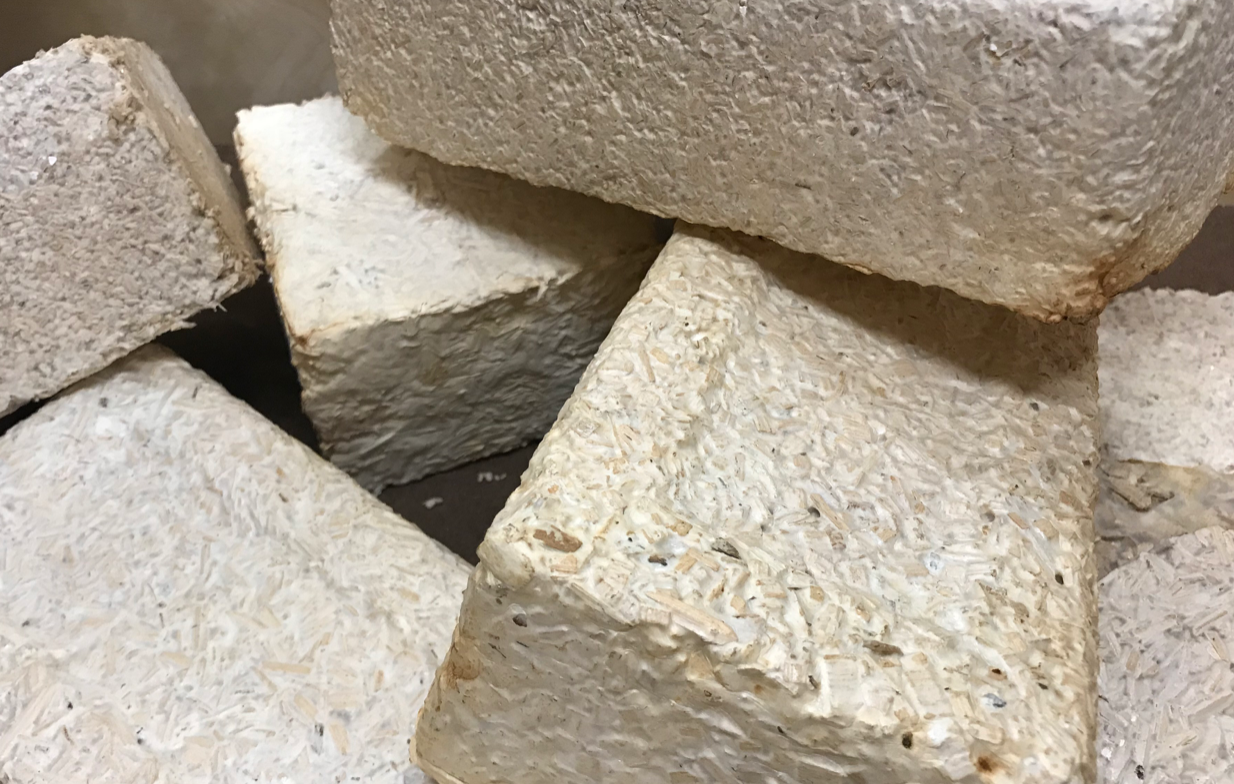
Echipa proiectului Mycotecture urmărește să dezvolte tehnologii care să permită “creșterea” de habitate pe Lună, Marte și în alte locuri folosind ciuperci și filamentele subterane care alcătuiesc principala parte a ciupercilor, cunoscute sub numele de miceliu. Acest concept ar putea revoluționa modul în care exploratorii își construiesc locuințele în spațiu, utilizând materiale ușoare și fungi dormanți care, odată activați cu apă, ar putea crește în jurul unui cadru compact, transformându-se într-un habitat uman complet funcțional, în condiții de siguranță pentru mediu.
Proiectul Mycotecture ar putea deschide calea către un nou material multi-utilizare pentru construcții spațiale, reducând masa și economisind resurse pentru alte priorități de misiune. Această tehnologie a fost deja demonstrată printr-o serie de premii NIAC anterioare, iar echipa a testat multiple combinații de biocompozite pe bază de ciuperci, a fabricat prototipuri, a testat materialele într-un simulator planetar, a evaluat îmbunătățiri precum protecția împotriva radiațiilor și a creat designuri detaliate de habitate lunare pe bază de miceliu.
Această inovație nu se limitează doar la spațiu, ci are și aplicații practice pe Pământ, precum filtrarea apei și extragerea de minerale din ape uzate.
Prin sprijinirea cercetării tehnologice spațiale în stadii incipiente, NASA își propune să schimbe ceea ce este considerat posibil, deschizând uși către viitorul explorării spațiale avansate.
Investițiile în proiectul Mycotecture ar putea duce la integrarea sa în stațiile spațiale comerciale sau în misiuni către Lună, cu obiectivul final de a fi folosit pe Marte. Programul NASA Innovative Advanced Concepts susține idei de cercetare visionary, finanțând activități în mai multe faze progresive de studiu.
Pentru mai multe informații despre investițiile NASA în tehnologia spațială, vizitați: https://www.nasa.gov/space-technology-mission-directorate.
As NASA prepares for long-duration missions to the Moon and Mars for the benefit of all, a habitat-growing concept selected Wednesday by the agency could help “grow” homes using fungi for future explorers. A team of researchers at NASA Ames Research Center in California’s Silicon Valley will receive new funding under the NASA’s Innovative Advanced Concepts (NIAC) program to propel their habitat research.
The Phase III NIAC award will provide $2 million over two years to continue technology development of the Mycotecture Off Planet project in preparation for a potential future demonstration mission. The work is led by Lynn Rothschild, a senior research scientist at NASA Ames.
“As NASA prepares to explore farther into the cosmos than ever before, it will require new science and technology that doesn’t yet exist” said NASA Administrator Bill Nelson. “NASA’s space technology team and the NIAC program unlock visionary ideas – ideas that make the impossible, possible. This new research is a steppingstone to our Artemis campaign as we prepare to go back to the Moon to live, to learn, to invent, to create – then venture to Mars and beyond.”
Some habitats, such as landers and rovers, will be delivered to planetary surfaces. However, the mycotecture project team is developing technologies that could “grow” habitats on the Moon, Mars, and beyond using fungi and the underground threads that comprise the main part of fungi, known as mycelia. With this development, explorers could travel with a compact habitat built out of lightweight material containing dormant fungi. By adding water, fungi can potentially grow around that framework into a fully functional human habitat, while being safely contained to avoid contaminating the environment.
“We are committed to advancing technologies to transport our astronauts, house our explorers, and facilitate valuable research,” said Walt Engelund, associate administrator for Programs in the Space Technology Mission Directorate at NASA Headquarters in Washington. “We invest in these technologies throughout their lifecycle, recognizing their potential to help us accomplish our goals – benefiting industry, our agency, and humanity.”
The mycotecture project could enable a new, multi-use material for in-space construction, reducing mass and saving resources for additional mission priorities. The proof of concept for this technology was demonstrated through earlier NIAC awards. The team created multiple combinations of fungal-based biocomposites, fabricated prototypes, tested materials in a planetary simulator, evaluated enhancements including incorporating radiation protection, and drafted detailed mycelium-based Moon habitat designs. This project also has uses on Earth in addition to applications on other worlds. Mycelia could be used for water filtration and systems that extract minerals from wastewater.
From deep space human exploration to advanced propulsion and robotics, NASA aims to change the possible by supporting early-stage space technology research that could radically change the future.
“Mycotecture Off Planet exemplifies how advanced concepts can change how we envision future exploration missions,” said John Nelson, NIAC Program Executive. “As NASA embarks on the next era of space exploration, NIAC helps the agency lay the necessary groundwork to bring innovative visions to life.”
Work under the Phase III award will allow the research team to optimize material properties. It also will enable the team to progress toward testing in low Earth orbit. Future applications of this project could include integration into commercial space stations or infusion into missions to the Moon with the ultimate goal of use on Mars.
NASA Innovative Advanced Concepts supports visionary, early-stage research ideas through multiple progressive phases of study. In January 2024, NASA announced 19 Phase I and Phase II proposal selections. NASA’s Space Technology Mission Directorate, which is responsible for developing the new cross-cutting technologies and capabilities the agency needs to achieve its current and future missions, funds NIAC activities.
For more information about NASA’s investments in space technology, visit:
https://www.nasa.gov/space-technology-mission-directorate
-end-
Jasmine Hopkins
Headquarters, Washington
202-358-1600
jasmine.s.hopkins@nasa.gov
Acest titlu a fost scris de inteligență artificială Chat GPT, unele date pot fi incorecte. Pentru stirea originala, verificati sursa: Link catre sursa
Sursa si foto: NASA
În plus, ar putea să-ți placă
Precizări: Legea 190 din 2018, la articolul 7, menţionează că activitatea jurnalistică este exonerată de la unele prevederi ale Regulamentului GDPR, dacă se păstrează un echilibru între libertatea de exprimare şi protecţia datelor cu caracter personal.
Mai multe gasiti pe pagina de
Facebook stiridinromania.ro!
Daca ati fost martorii unui eveniment sau ai unei situatii neobisnuite care ar putea deveni subiect de stire, contactati-ne la
admin @ stiridinromania.ro sau pe contul nostru de
Facebook stiridinromania.ro!